
Ontology
Shared Enterprise Operating Model
Give every person, system, and intelligent capability a shared model of the enterprise.
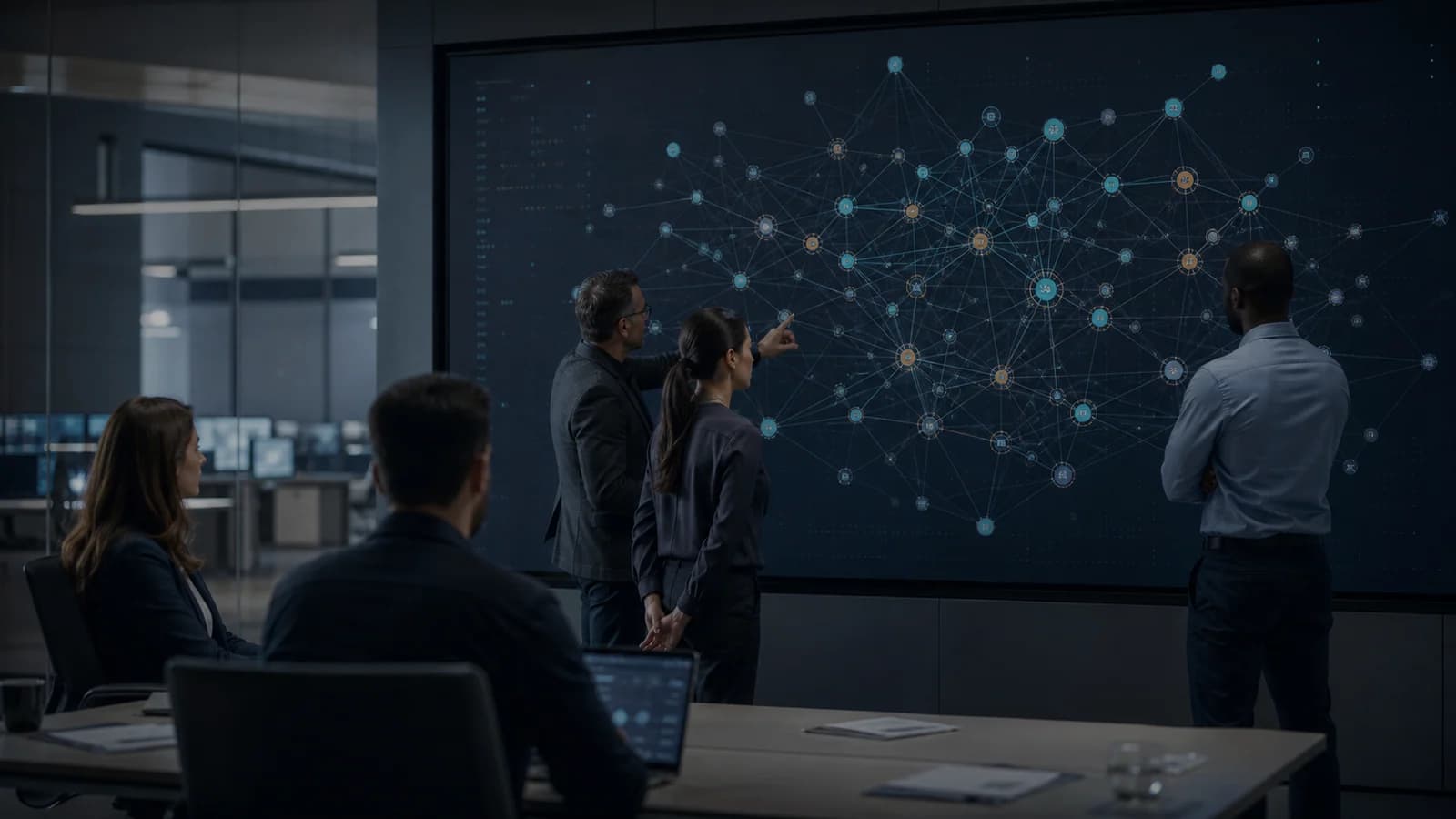
Give every person, system, and intelligent capability a shared model of the enterprise.
Oristrat Ontology turns fragmented fields into the objects, relationships, states, and actions the business actually understands, giving cross-system work a stable and governable common language.
Turn complex operations into three durable capabilities.
- 01
Unified object definitions
Give customers, orders, materials, equipment, and other core objects consistent meaning.
- 02
Relationship and state network
Represent operational dependencies, changes, and downstream impact.
- 03
Permission-aware governance
Embed access boundaries, rule provenance, and audit requirements in the operating model.
Start with existing systems and improve through operating evidence.
- 01
Objects
Define the people, events, assets, and organizations the enterprise cares about.
- 02
Relationships
Connect sources, ownership, dependencies, and impact.
- 03
Semantics
Unify states, definitions, rules, and available actions.
- 04
Governance
Inherit permissions and retain provenance and change records.
Begin with a clear operating boundary.
- Enterprise data semantics
- Cross-system impact analysis
- Explainable intelligent applications
Turn your business context into a system you can verify.
Bring your current systems, processes, and target outcome. We will begin with one clear operating boundary.